When Standard Components Do Not Fit
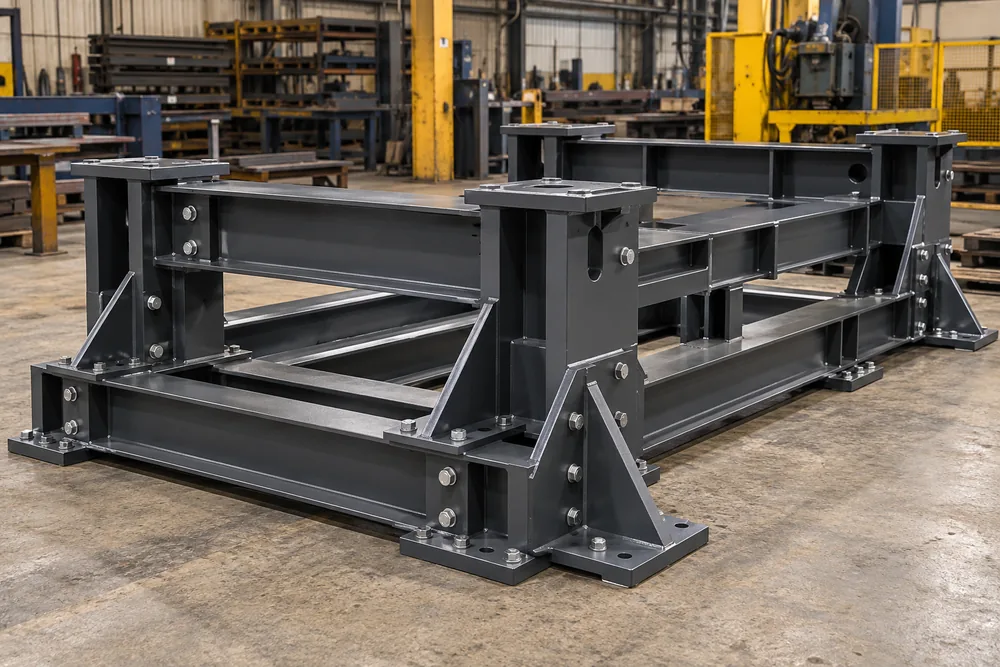
Bespoke steel fabrication is useful when an off-the-shelf item cannot match the dimensions, loads or operating conditions of your site. Typical requirements include machine bases, equipment supports, access-related metalwork and one-off assemblies. The design should start with the function, rather than an attempt to reproduce a generic product in a different size.
A facilities team might need to position equipment around existing services, while a contractor may need a support assembly that fits a restricted plant space. Each situation introduces interfaces that need measuring and checking. The fabrication brief should identify those interfaces before the shape is fixed.
Our enquiries focus on commercial sites, factories, schools, offices and managed property. For primary building steelwork, use the structural steel service. Bespoke does not mean exempt from engineering checks, product requirements or the need for a safe installation plan.
Define Loads, Access And Interfaces
Explain what the assembly will carry, how it will be used and what could happen if it moves or fails. Static weight alone may not describe the loading from machinery, impact or repeated operation. A competent designer needs the relevant load information before choosing the sections and connections.
Next, identify where the fabrication will attach. Existing concrete, masonry and steelwork may need investigation before fixings can be designed. A site measurement records geometry, but it does not establish that a wall or floor is suitable for the new load.
Access can determine the final construction. A frame may need bolted joints so that it can pass through a doorway or be assembled around live equipment. Allow for tools, lifting points, maintenance access and replacement of adjacent parts over the life of the installation.
Details That Improve Practical Use
A good bespoke assembly is understandable to the people who install and maintain it. Repeated hole patterns, accessible fasteners and clear member identification can reduce avoidable site work. Avoid details that trap debris or make routine cleaning difficult in a working industrial environment.
Think about tolerance at the connection to the existing site. Slots or adjustment details may be appropriate where the design permits them, but they must be agreed rather than added in the workshop. Uncontrolled on-site drilling can change the performance of the assembly.
Finishes should match exposure, handling and appearance requirements. Outdoor or damp environments need a considered corrosion strategy, while contact faces and moving interfaces may need masking. If galvanizing is proposed, its detailing needs should be resolved before the item is welded together.
Engineering And Applicable Standards
The applicable requirements depend on what the bespoke item does. A load-bearing construction component may fall within BS EN 1090-1 and the execution requirements of BS EN 1090-2. The intended structural function and product scope need checking, rather than assuming every steel object has the same marking obligations.
Where the item becomes part of work equipment, the buyer should consider suitability, safe access and maintenance under PUWER. A machine support is not automatically a lifting accessory, and it should not be used as one without an appropriate design and assessment. Any lifting role must be stated explicitly at the start.
Installation that forms part of construction work needs the relevant CDM arrangements. Ask who will design the assembly, confirm the substrate, select anchors and approve the installation method. Clear responsibility is especially important when the fabrication crosses between equipment, building structure and temporary works.
How A Bespoke Project Progresses
First, describe the problem with photographs, sketches, location and target programme. Identify the users, loads, dimensions and existing services. Where information is missing, agree a survey or technical review before a firm fabrication scope is set.
Second, develop and approve the design details. This includes material, connections, finish and the inspection criteria. A trial fit or first assembly can be useful when the design must connect to existing equipment or has several close-fitting parts.
Third, manufacture to the released drawings and inspect the important dimensions. Delivery and installation should follow the agreed access and handling plan. Keep the approved drawings and handover information so that future repairs or replacements use the correct details.
What Determines The Cost
One-off steelwork includes time for defining the requirement, resolving details and setting up the fabrication. Material weight is only one influence. Design complexity, weld access, dimensional control, finish and inspection can have a greater effect on the total than the apparent size of the item.
Unverified site dimensions or an unclear fixing design can leave allowances in a quotation. Supply the most current information and state what is already approved. Send your bespoke steel fabrication enquiry with the site postcode, intended use and any known restrictions so the scope can be reviewed properly.