Sheet Metal With A Clear End Use
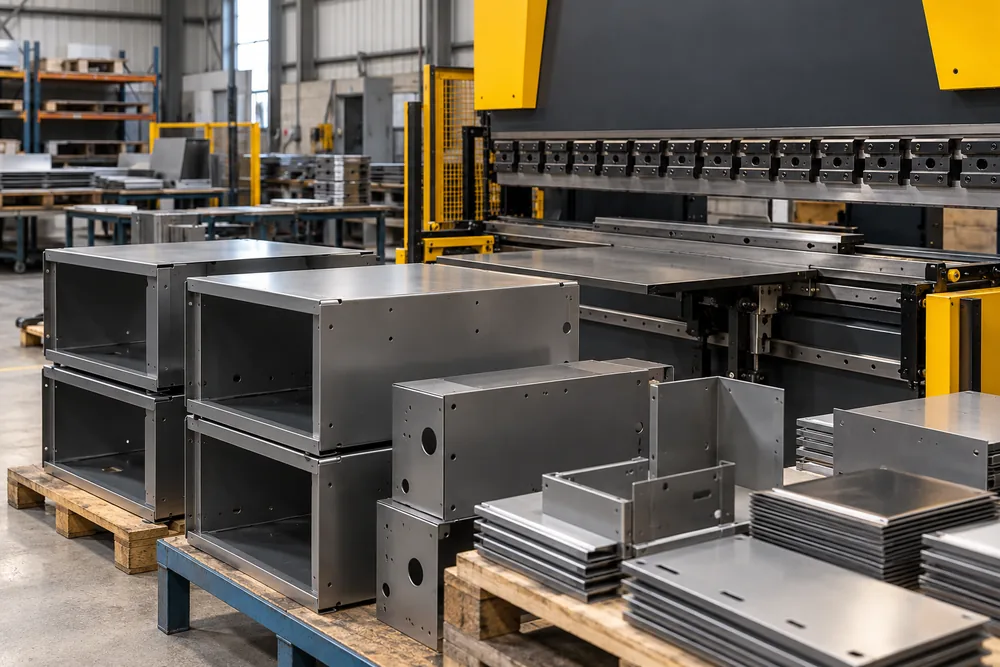
Sheet metal fabrication is suited to components whose shape is created from relatively thin flat material. Typical enquiries include machine covers, equipment enclosures, folded channels, access panels, trays and replacement casings. The purpose of the component determines the material, thickness, folds and joining method.
A panel that only conceals services has different requirements from a cover that protects moving machinery. Tell us what the part will contain, support or shield, and whether people will regularly remove it. Access for maintenance, cable routes and cleaning can matter as much as the outer dimensions.
We welcome enquiries from equipment manufacturers, facilities teams and commercial contractors. For heavier welded frames that support the panels, our metal fabrication service is the more relevant starting point. Where several parts work together, describe the whole assembly so the interfaces can be reviewed.
Material And Thickness Decisions
Material thickness affects stiffness, weight, bend behaviour and the available manufacturing methods. Increasing thickness may not be the best way to stiffen a large panel. A return fold, flange or separate support can sometimes achieve the required behaviour with a more practical part.
Mild steel, stainless steel and aluminium each bring different forming and finishing considerations. Stainless steel components may need careful surface handling to protect their appearance. Aluminium needs an appropriate grade and bend detail to avoid problems around tight folds.
State the required surface condition and whether protective film is needed during manufacture and transport. Visible brushed finishes also need an agreed grain direction. Where the metalwork is used near food production or a controlled process, the buyer should provide the relevant cleaning and hygiene requirements.
Drawings, Bends And Assembly Clearances
Sheet metal drawings should identify the finished dimensions, thickness, material and bend direction. Holes near bends need particular care because forming can distort them or restrict tooling access. Tight internal corners and narrow flanges can also limit what a press brake can produce.
Flat patterns account for how the chosen material behaves during bending. A drawing for a finished part should not assume that subtracting a nominal bend radius will produce a correct cutting file. Agree who is responsible for the developed blank and the production drawing.
Enclosures need space for hinges, seals, fasteners and anything mounted inside. A successful prototype should be checked with the actual mating equipment, rather than judged only by its outer dimensions. Mark critical features so that inspection concentrates on the fit and function that matter.
Requirements For Guards And Enclosures
A folded enclosure is not automatically an electrical enclosure with a declared ingress protection rating. If an IP rating, electrical bonding arrangement or fire performance is required, it must form part of the specification and be assessed for the complete assembly. Openings, seals and cable entries can change the final performance.
For machinery guards, the risk assessment needs to address access to hazards, removal of the guard and whether interlocking is required. HSE’s work equipment guidance explains the duties around equipment used at work. A fabricated cover is only one part of that wider safety assessment.
Press brakes, cutting equipment and welding operations need suitable safeguards and trained operators. On-site fitting may introduce sharp-edge handling, work at height or hot-work risks. Define the installation scope and site controls before fabrication is committed.
The Production And Quotation Process
Start with a drawing or sketch, quantity, material preference and intended use. Include mating dimensions, any existing samples and the required finish. If a prototype is needed, separate that stage from the full batch so the acceptance decision is clear.
The agreed process can include profiling, deburring, bending, inserting fasteners, welding and finishing. Not every item needs every operation. Inspection should check fold orientation, hole positions and any assembled interfaces before the item is packed for delivery.
The main cost factors are sheet grade and thickness, nesting efficiency, number of bends, tooling constraints and secondary operations. Small batches carry setup work that is spread across fewer parts. Cosmetic faces, masking and special packaging can also affect the quotation.
For a useful comparison, ask suppliers to quote the same revision, quantity and finish. Confirm whether transport, prototypes and installation are included. Send a sheet metal enquiry for your Leeds project with the key dimensions and target programme.